Gallery
Discover the beauty in every detail

About
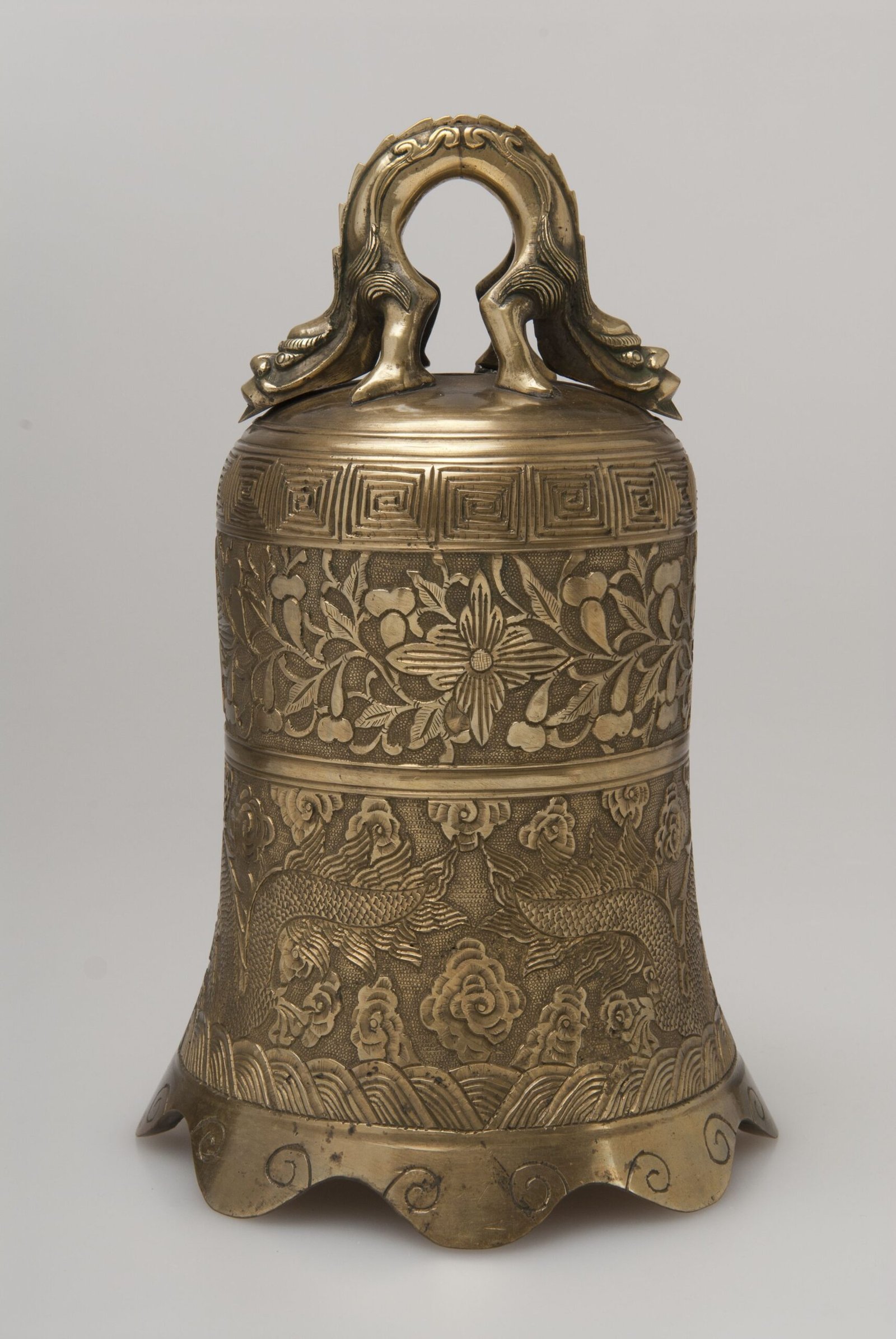
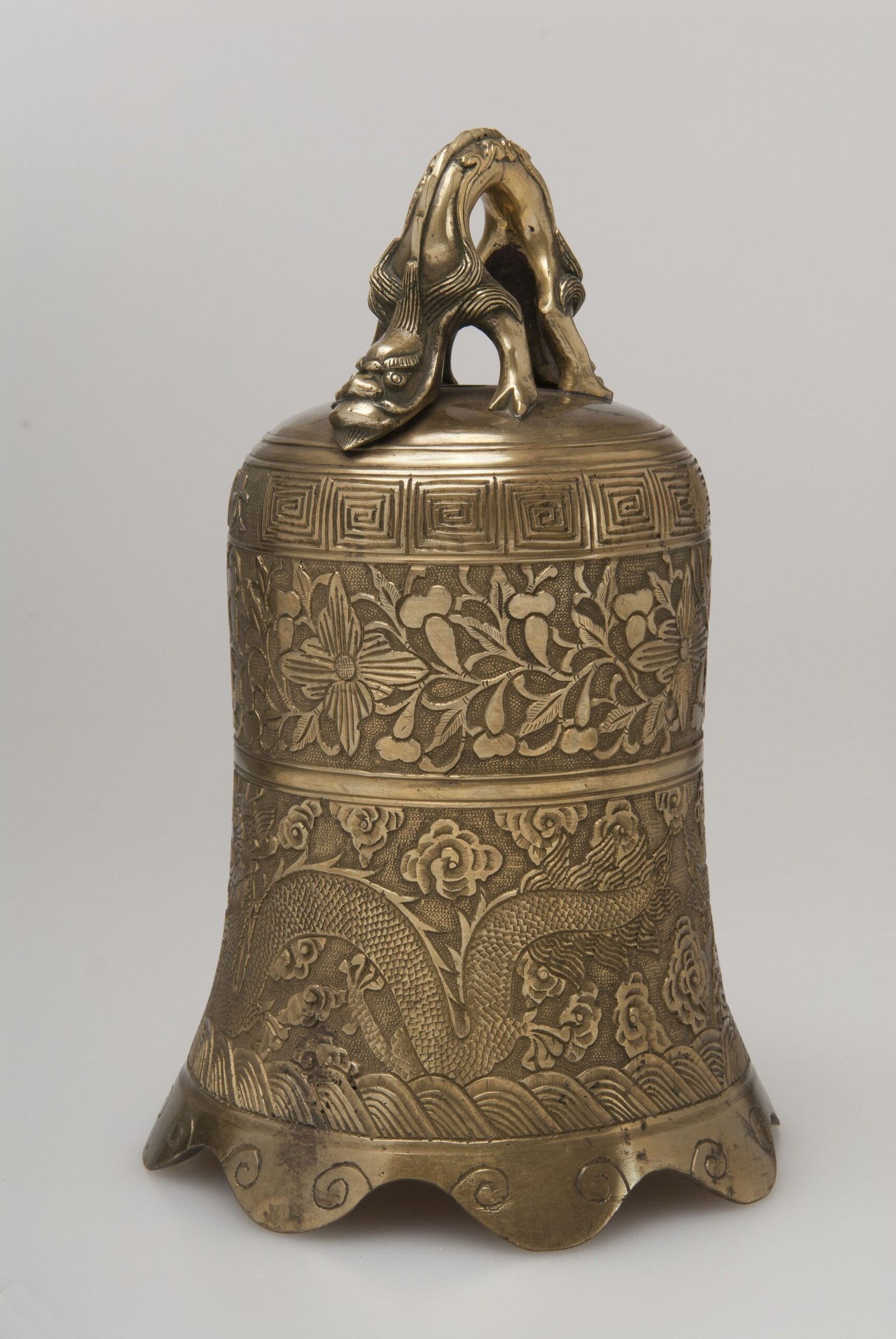
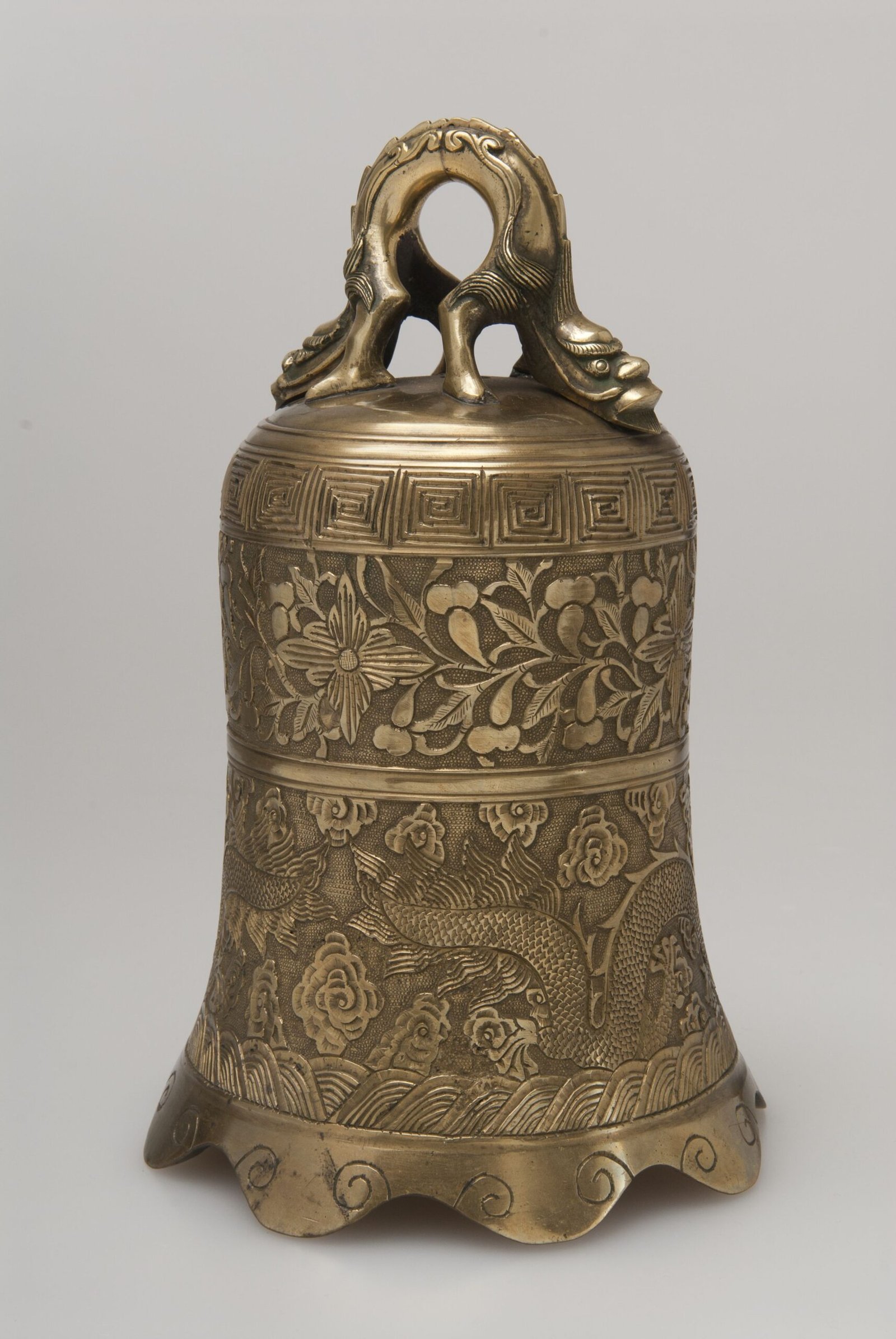
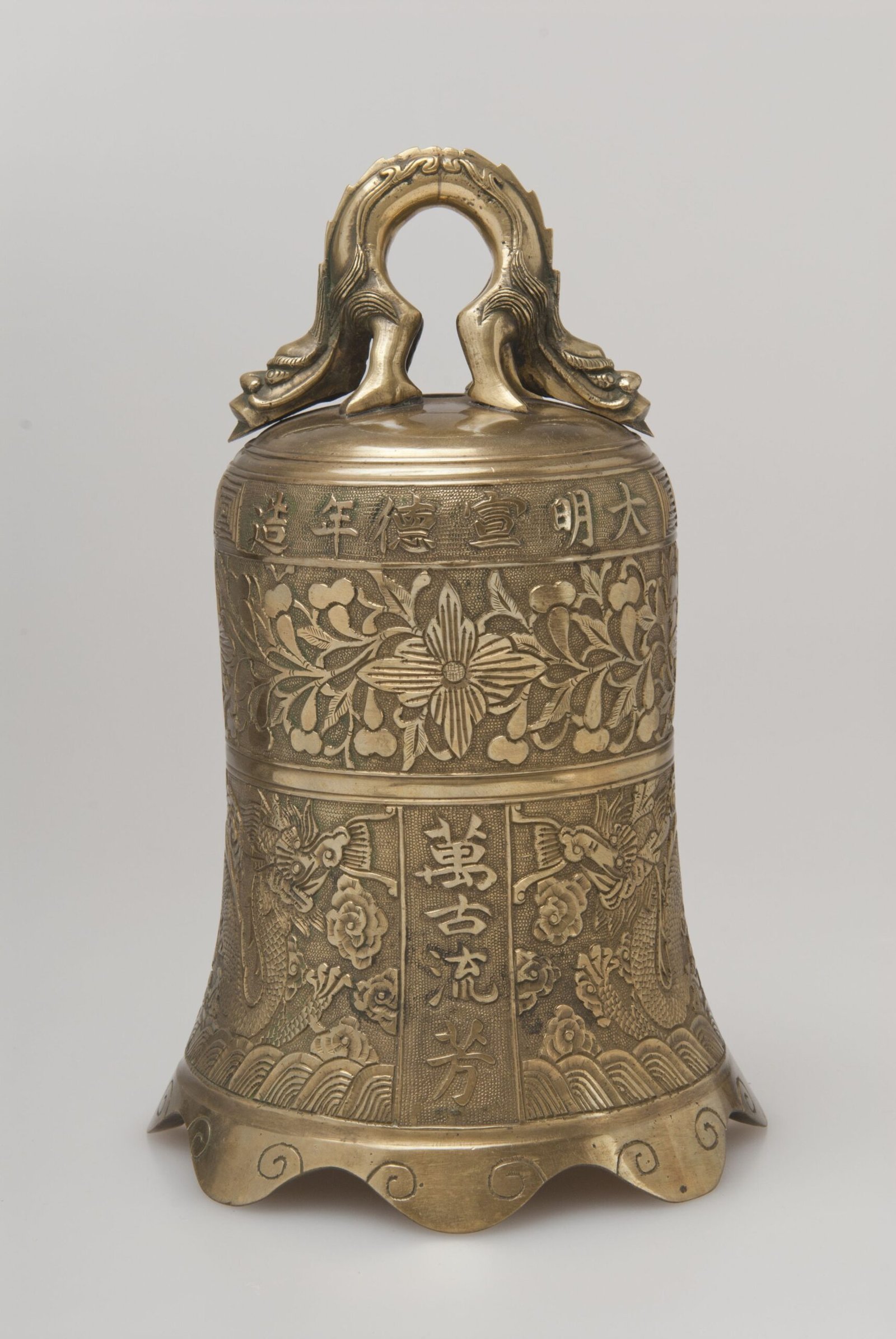
Bell of Emperor Xuande, the fifth emperor of China from the Ming dynasty (born in 1399, died in 1435). Emperor Xuande was a painter, poet, and patron of the arts.
Dimensions: height 23 cm, width 15 cm.
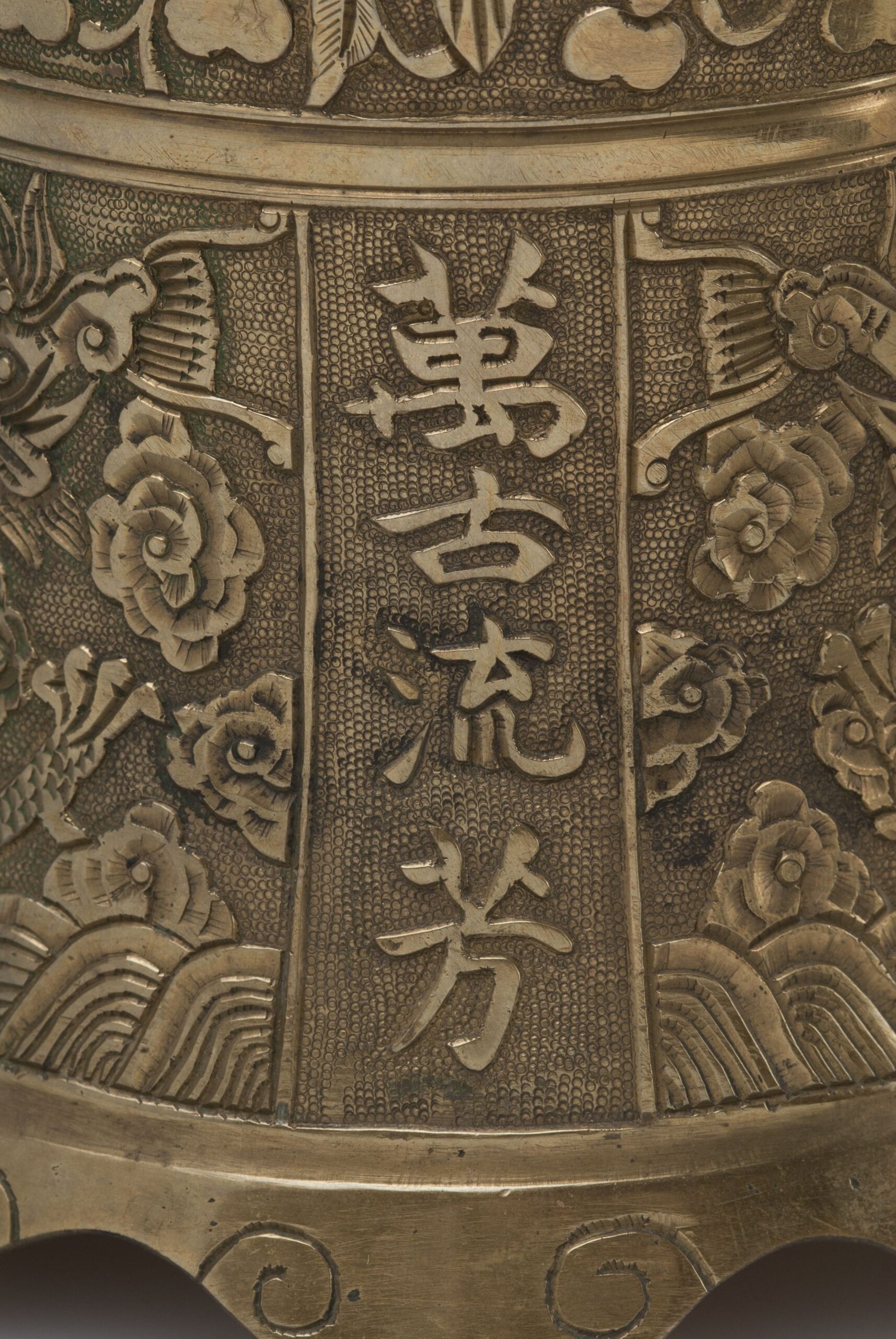
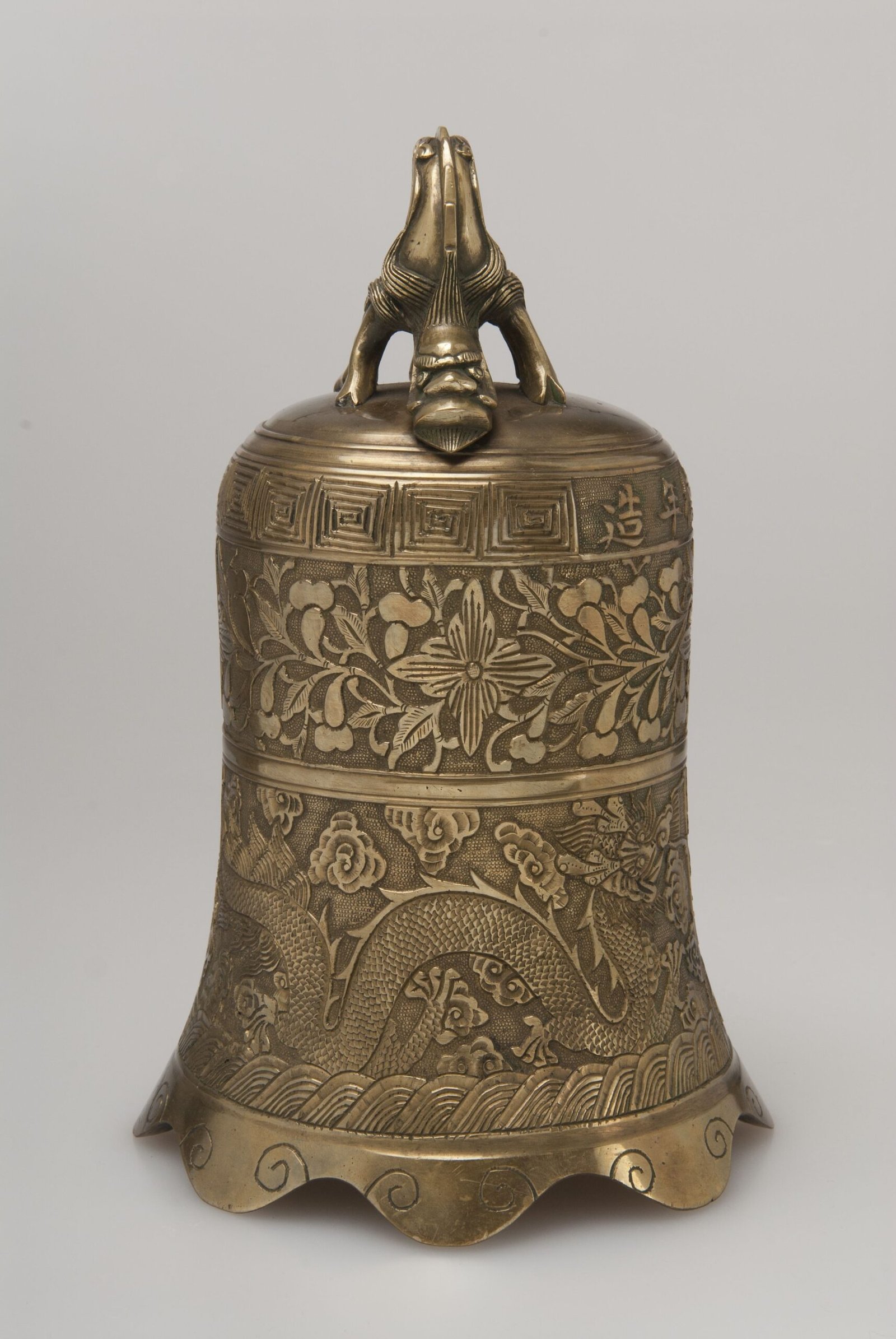
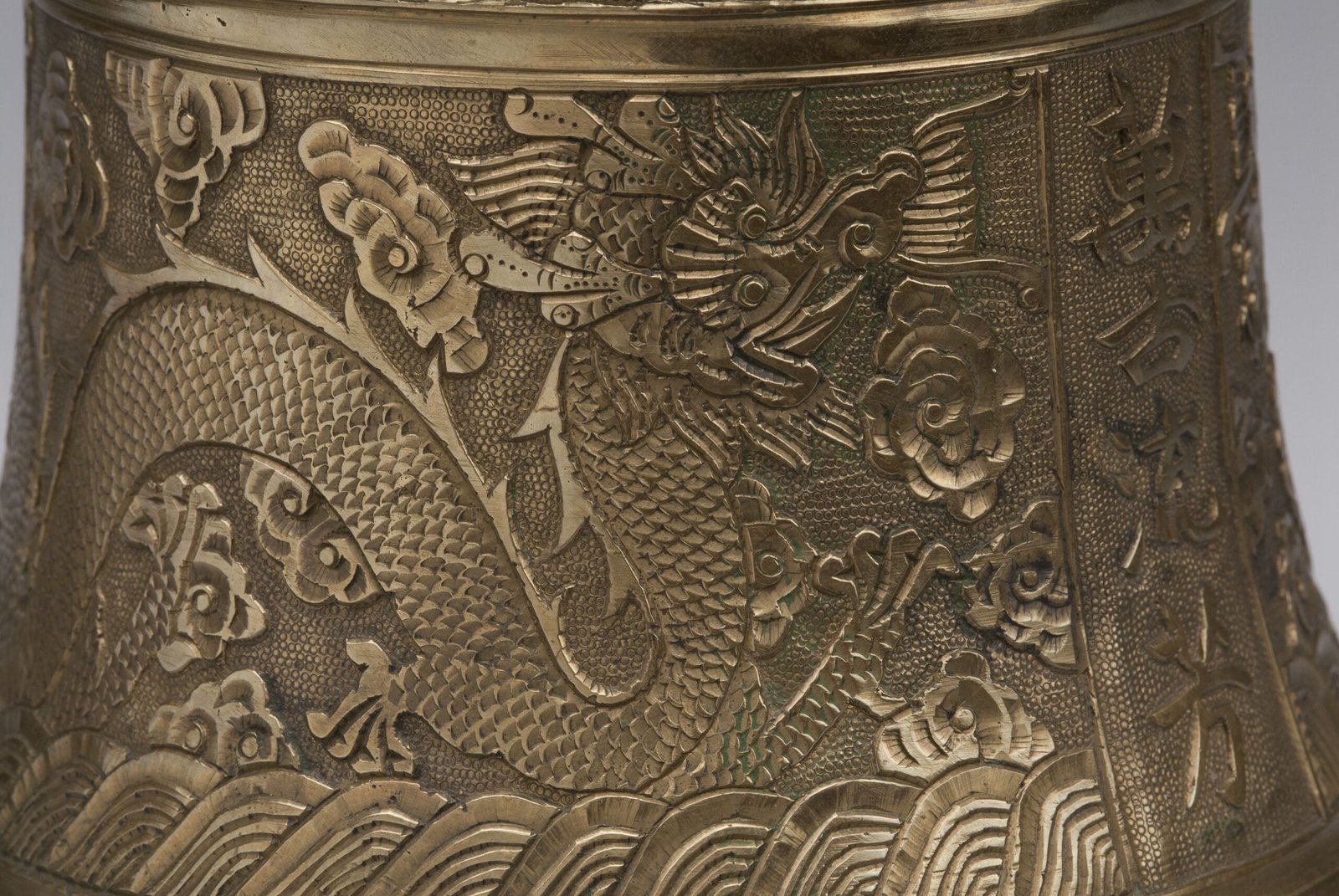
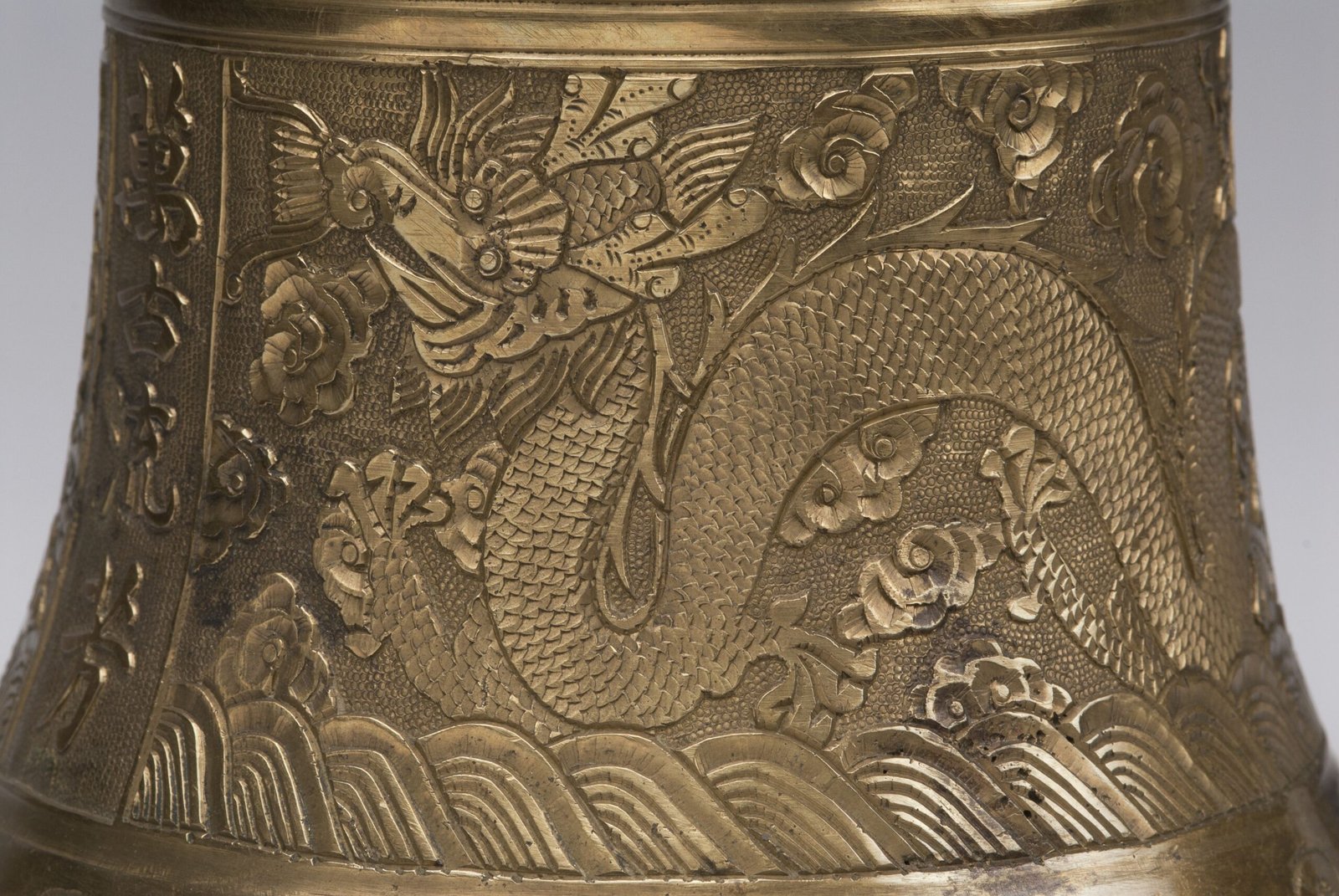
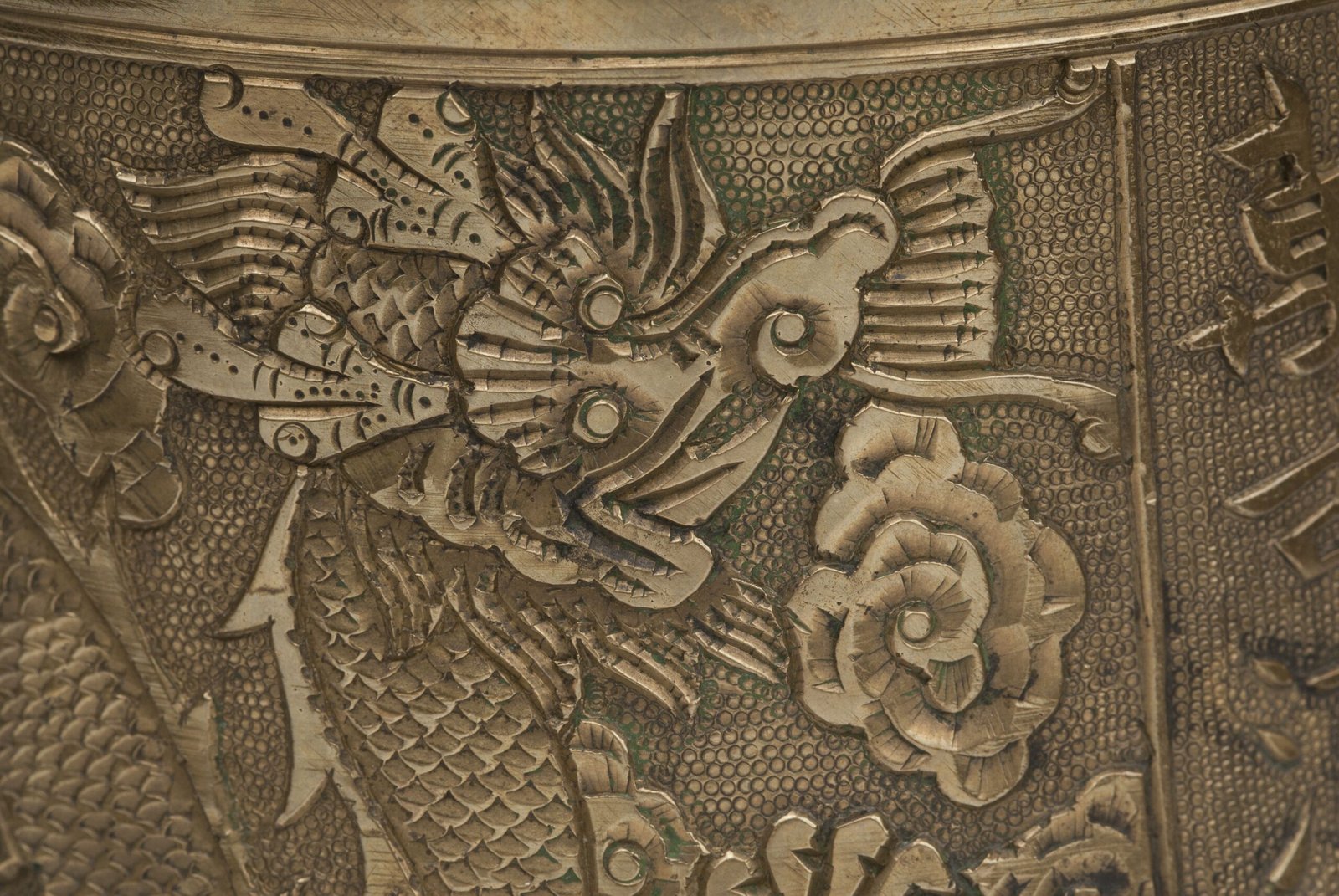
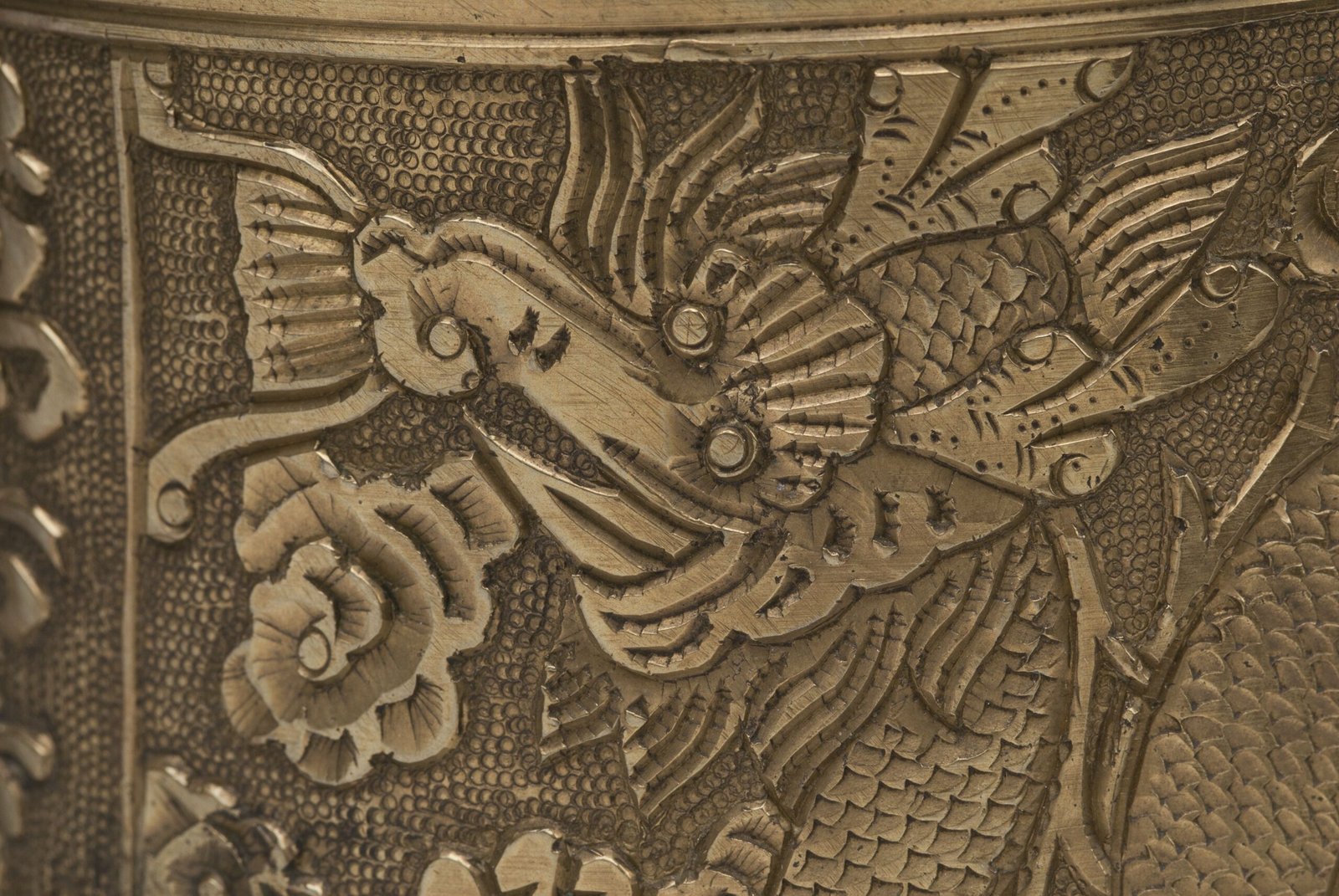
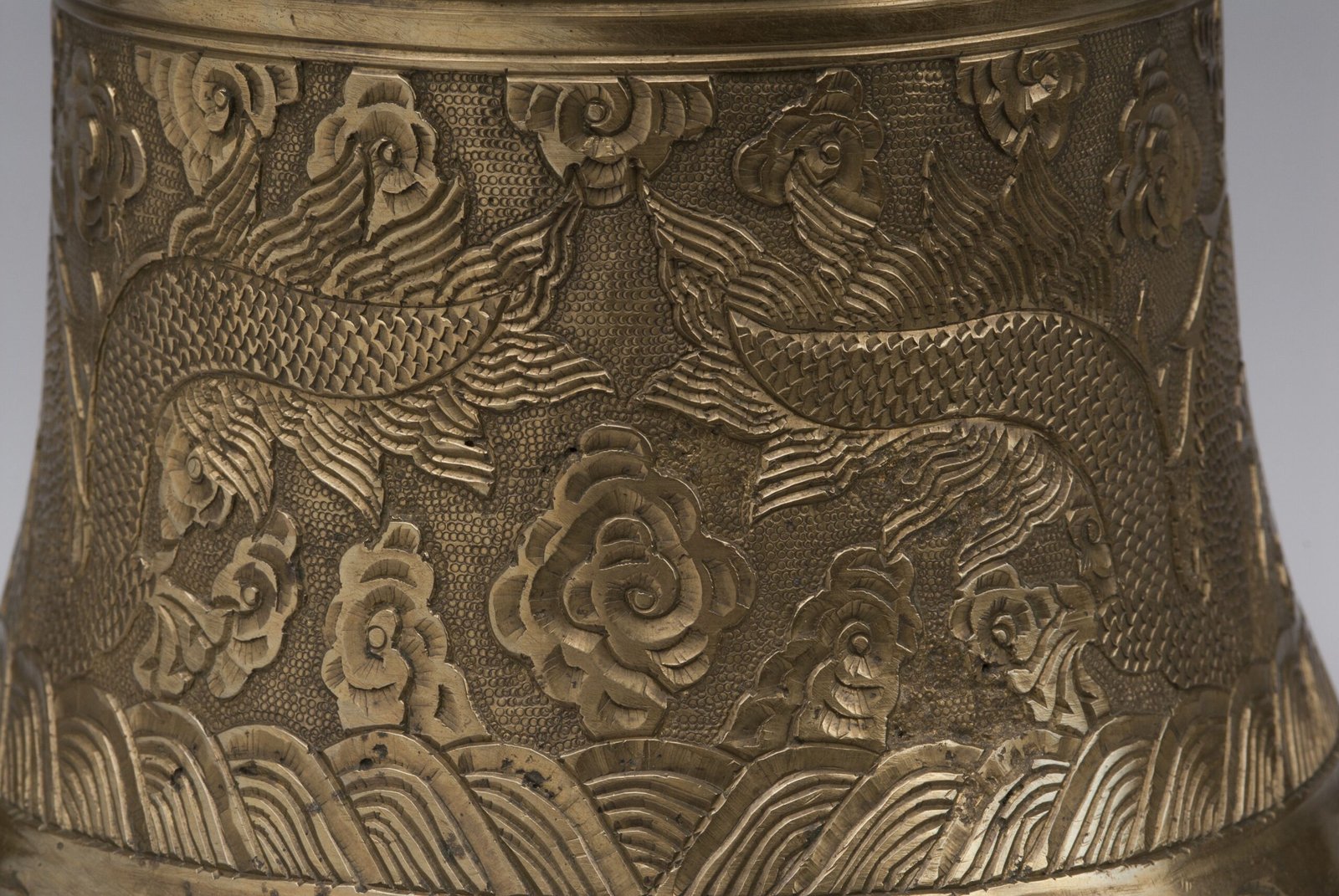
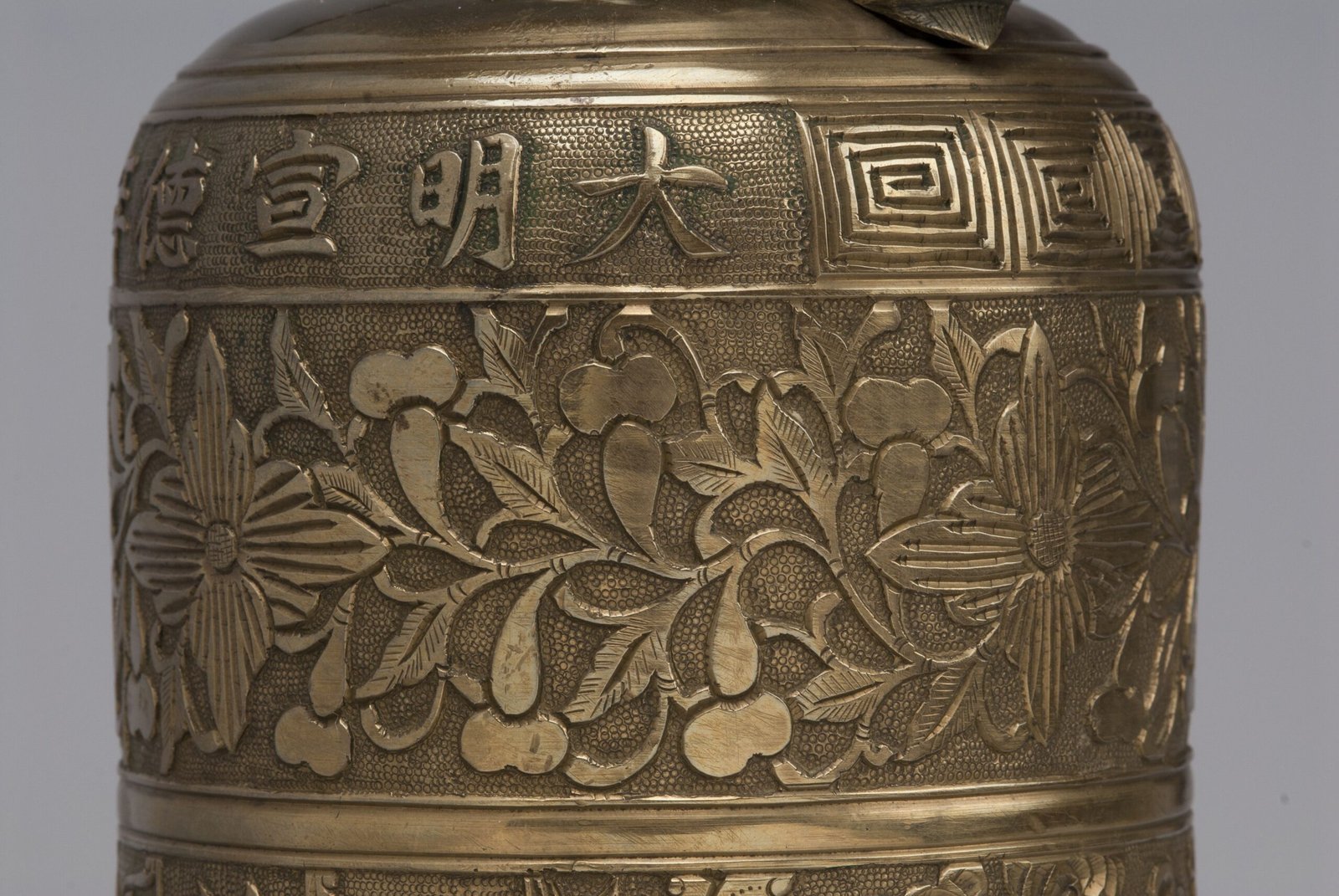
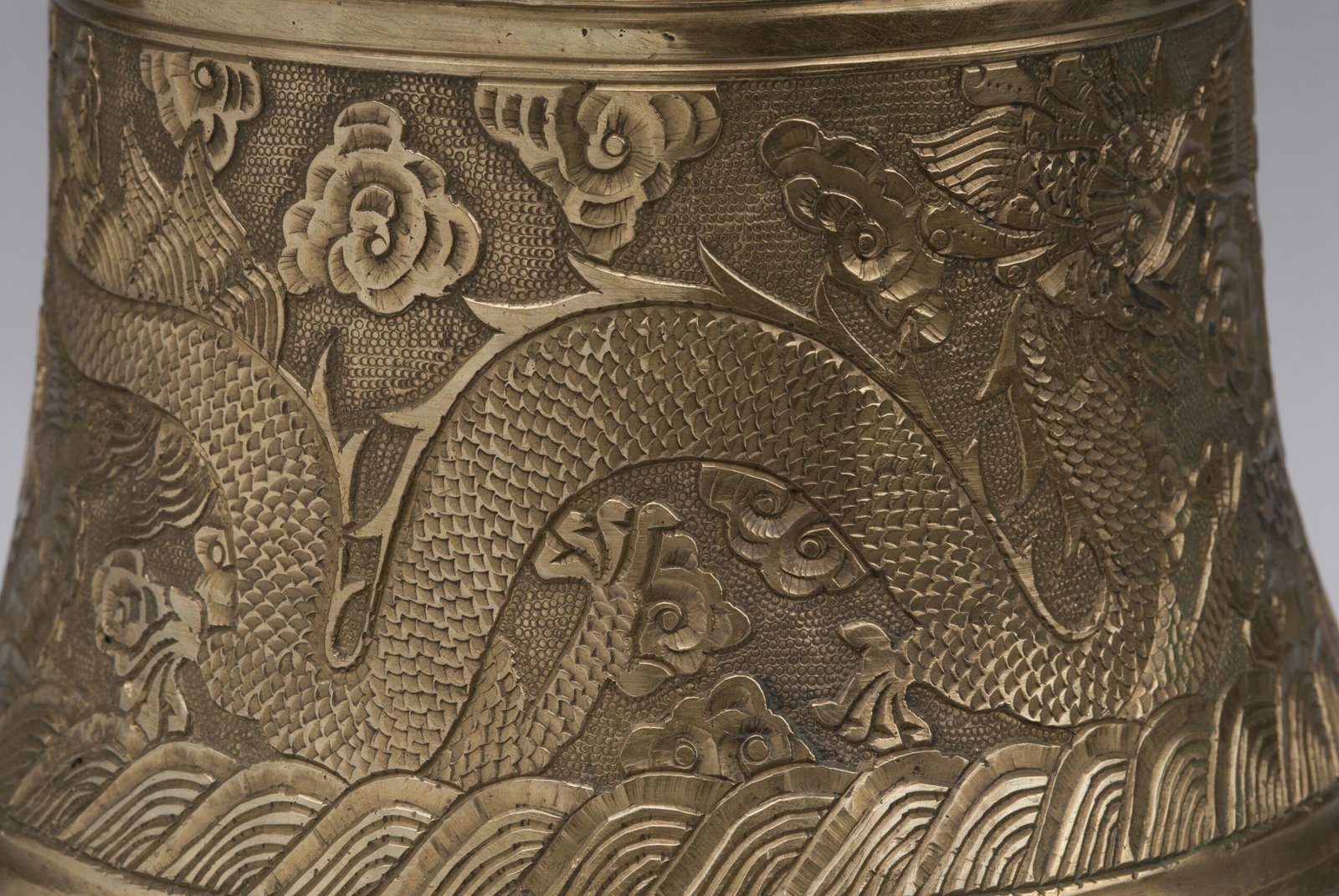
The iconography of the bell is very rich in symbolic meaning. The surface of the bell features Chinese symbols of good fortune: lightning bolts, intertwined branches, lotus petals, clouds, and soaring dragons. The flowers and leaves are lush and continuous. They symbolize the gods, Buddha, heaven, earth, and the emperor.
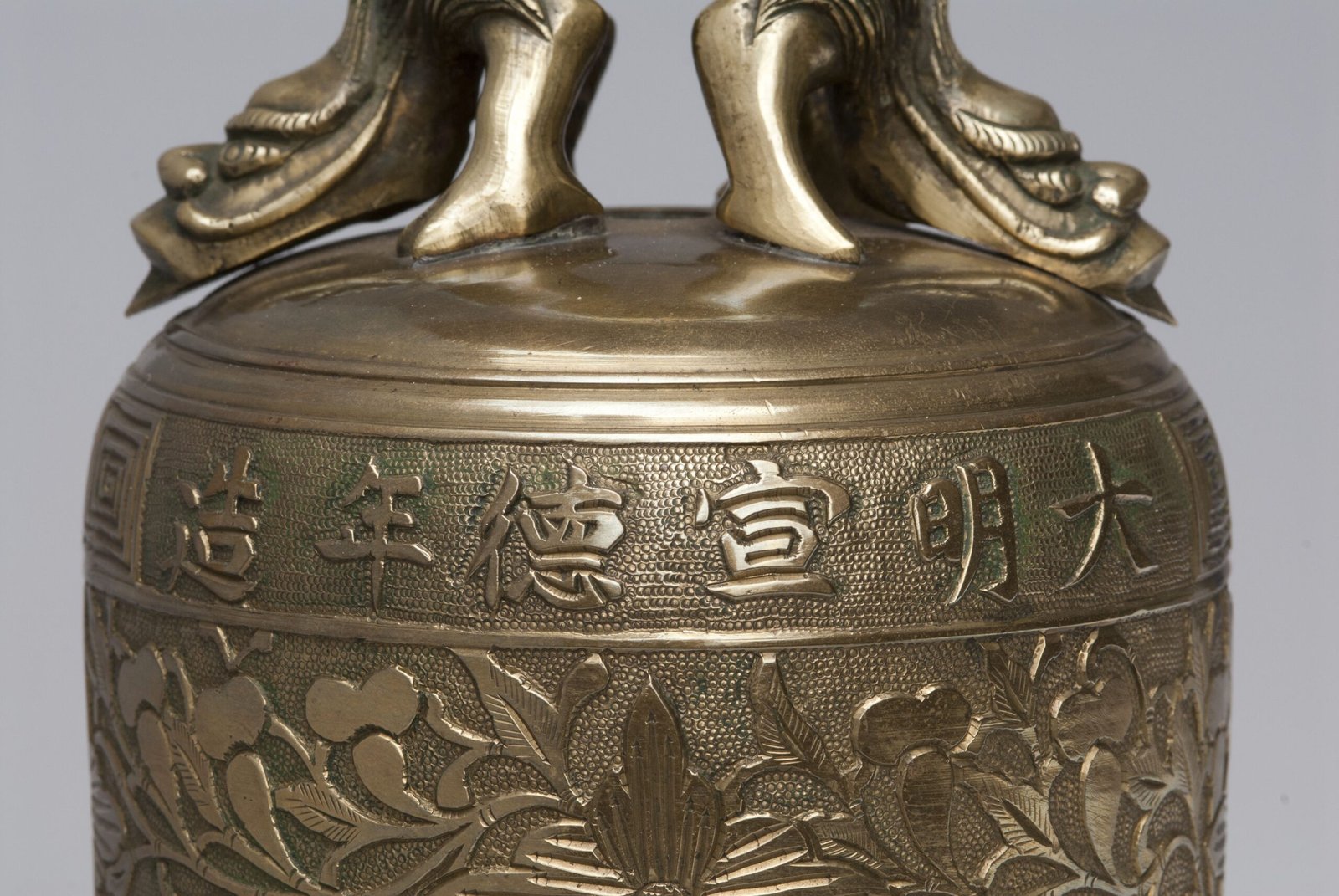
The horizontal inscription “Made during the reign of Emperor Xuande of the Great Ming Dynasty” and the vertical inscription “Eternal glory for eternity” or “Passing on glory for eternity” harmoniously form a triangular arrangement with all the elements of the composition, emphasizing imperial dignity and referring to Buddhist connotations. On both sides of the vertical text, there are two dragons facing each other, soaring over the waves of the sea and in the clouds. Their five-fingered claws are an imperial symbol.
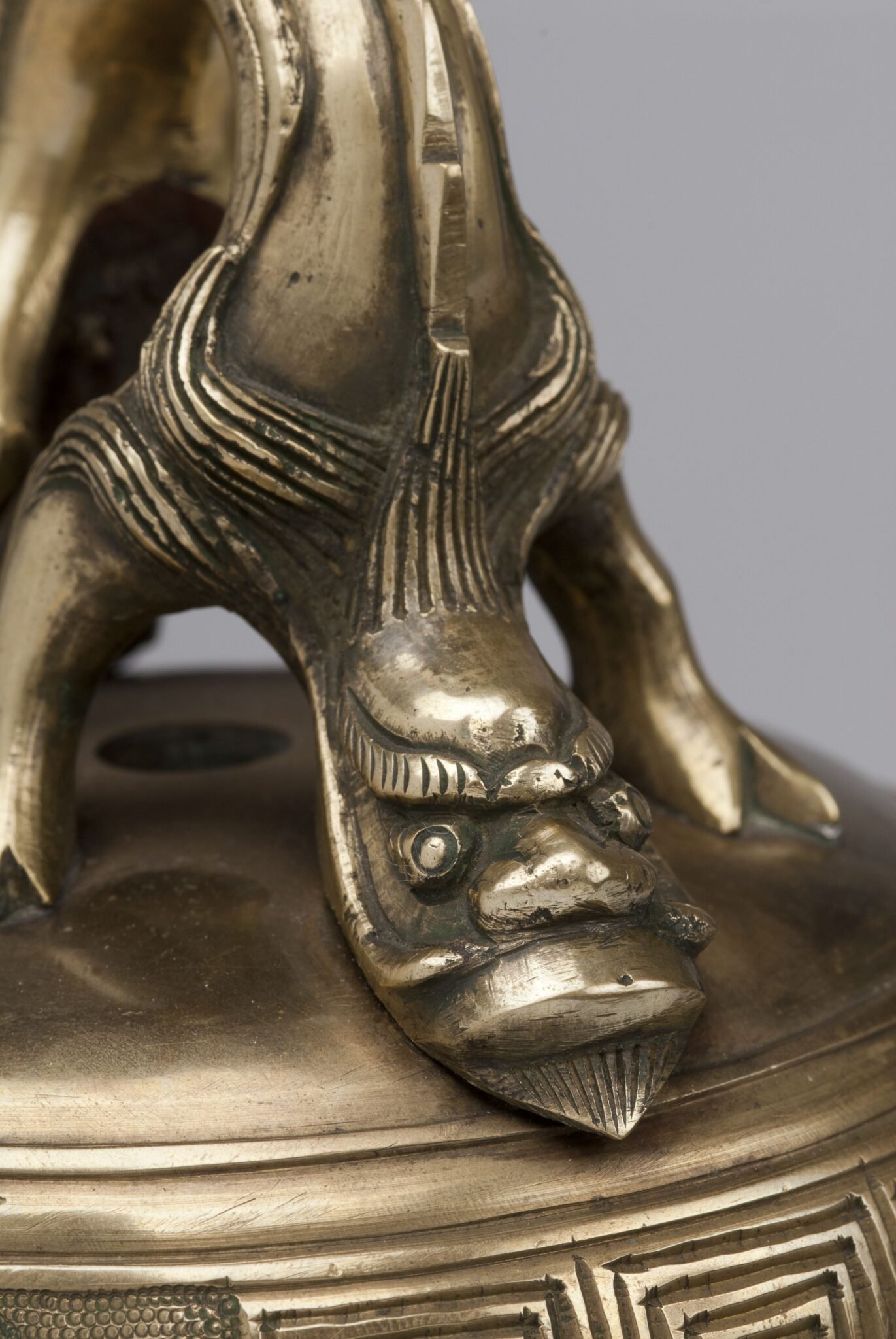
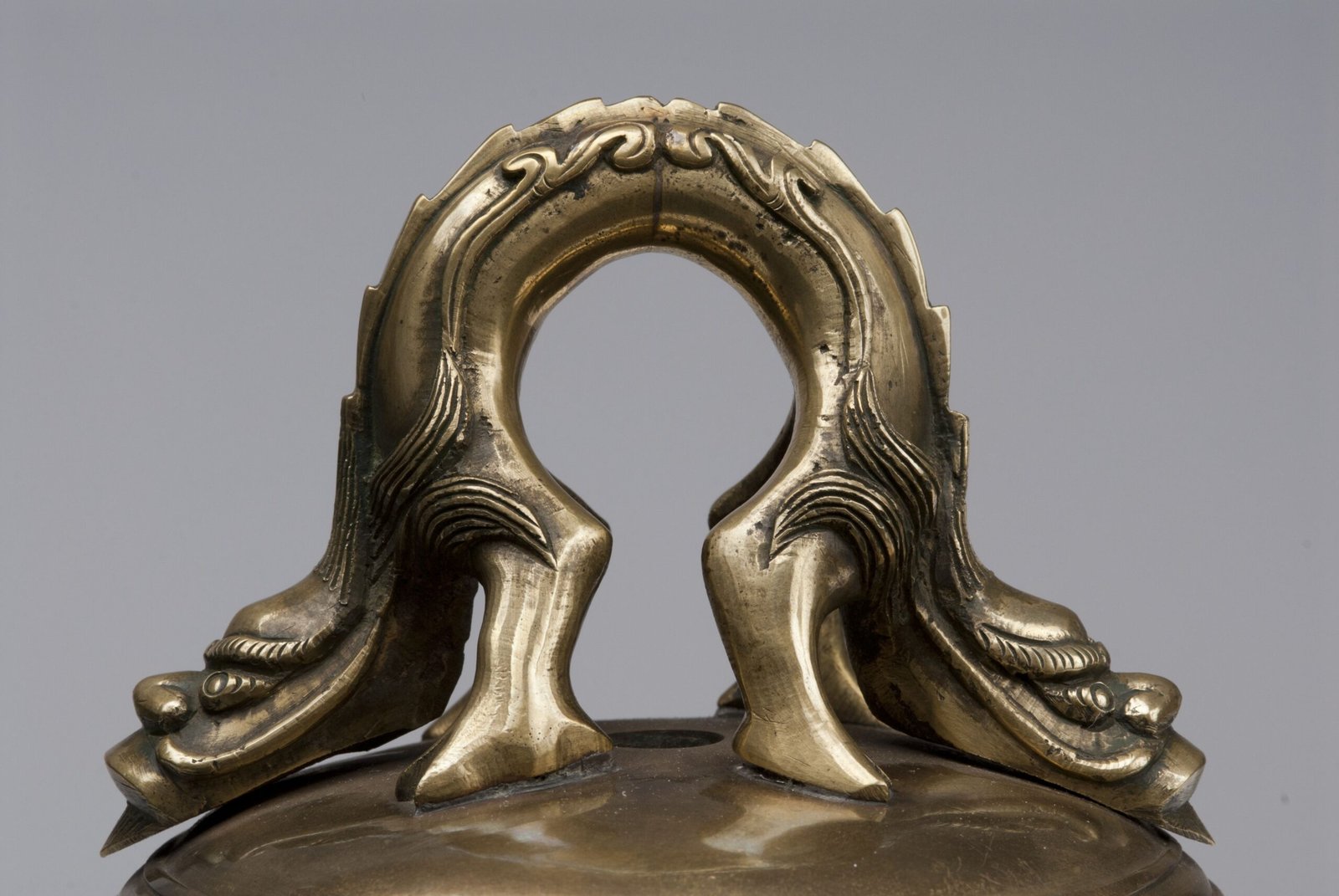
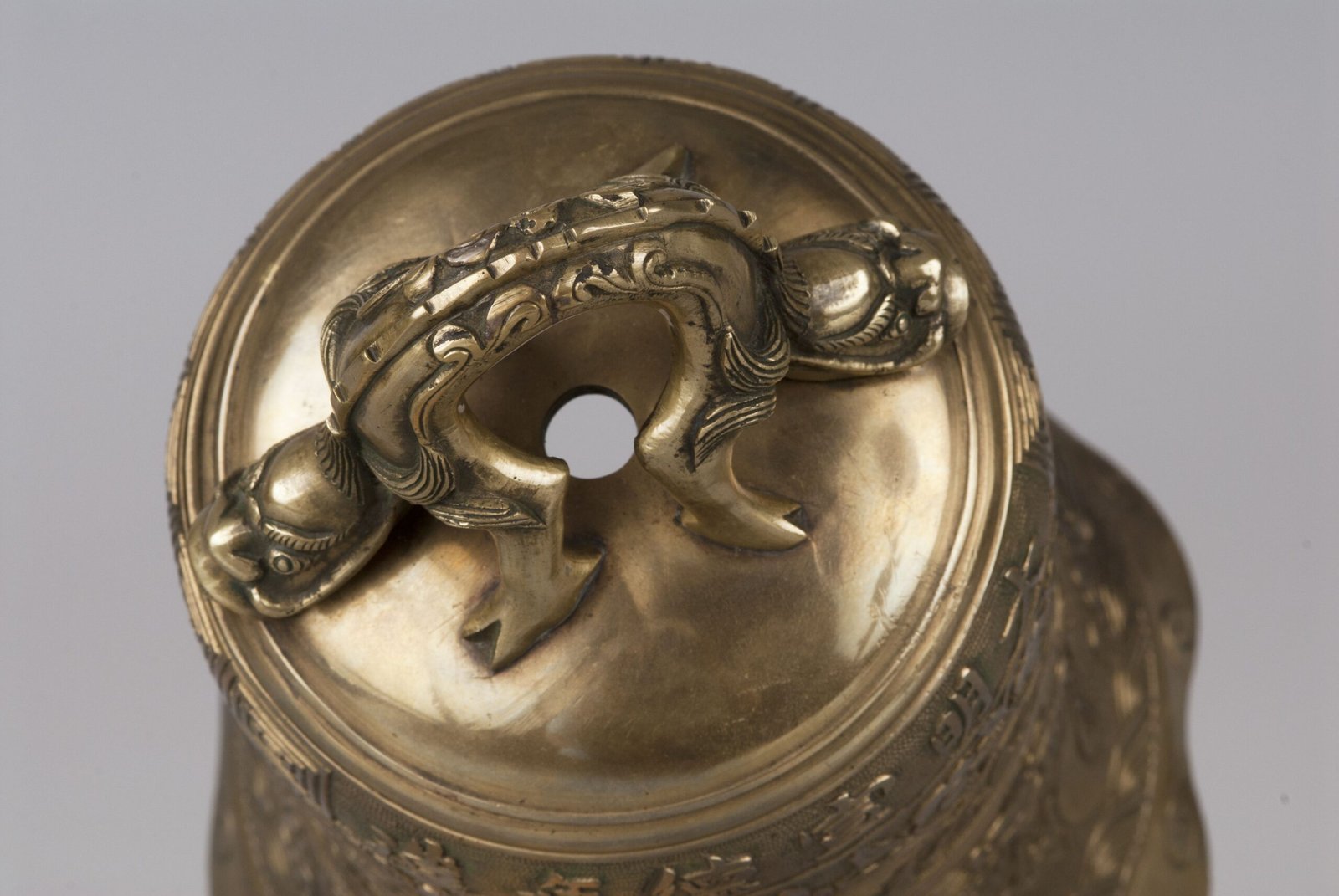
At the top of the bell is a handle depicting Pulao, according to legend one of the nine sons of the dragon and a lover of singing. The saying that the dragon gives birth to nine sons comes from historical records from the Ming dynasty, and Pulao is the fourth son of the dragon. Legend has it that Pulao is afraid of whales and when attacked, he roars loudly. Therefore, when the image of Pulao appears on the bell, it is usually struck with a hammer bearing the image of a whale to make the sound of the bell louder and more stable. The shape of the handle resembles the Greek letter Ω. The dragon’s body is bent to the maximum, with beautiful lines and enormous strength. Pulao, with its two heads turned towards each other, looks menacing, ready to fight and full of energy to proclaim the eternal glory of Emperor Xuande. The dragon’s claws and arms are tense and show a posture of gathering strength.
The symbolism of the iconography is closely related to the sound of the bell, which proclaims the eternal glory of Emperor Xuande. Acoustic studies have confirmed that the bell generates a sound with a specific frequency that has special mystical significance.
Archaeometallurgical studies have shown that the bell’s decorations were made using a dozen or so different precision tools. The design of the decorations and their execution testify to the extremely high artistic skill of the craftsmen.
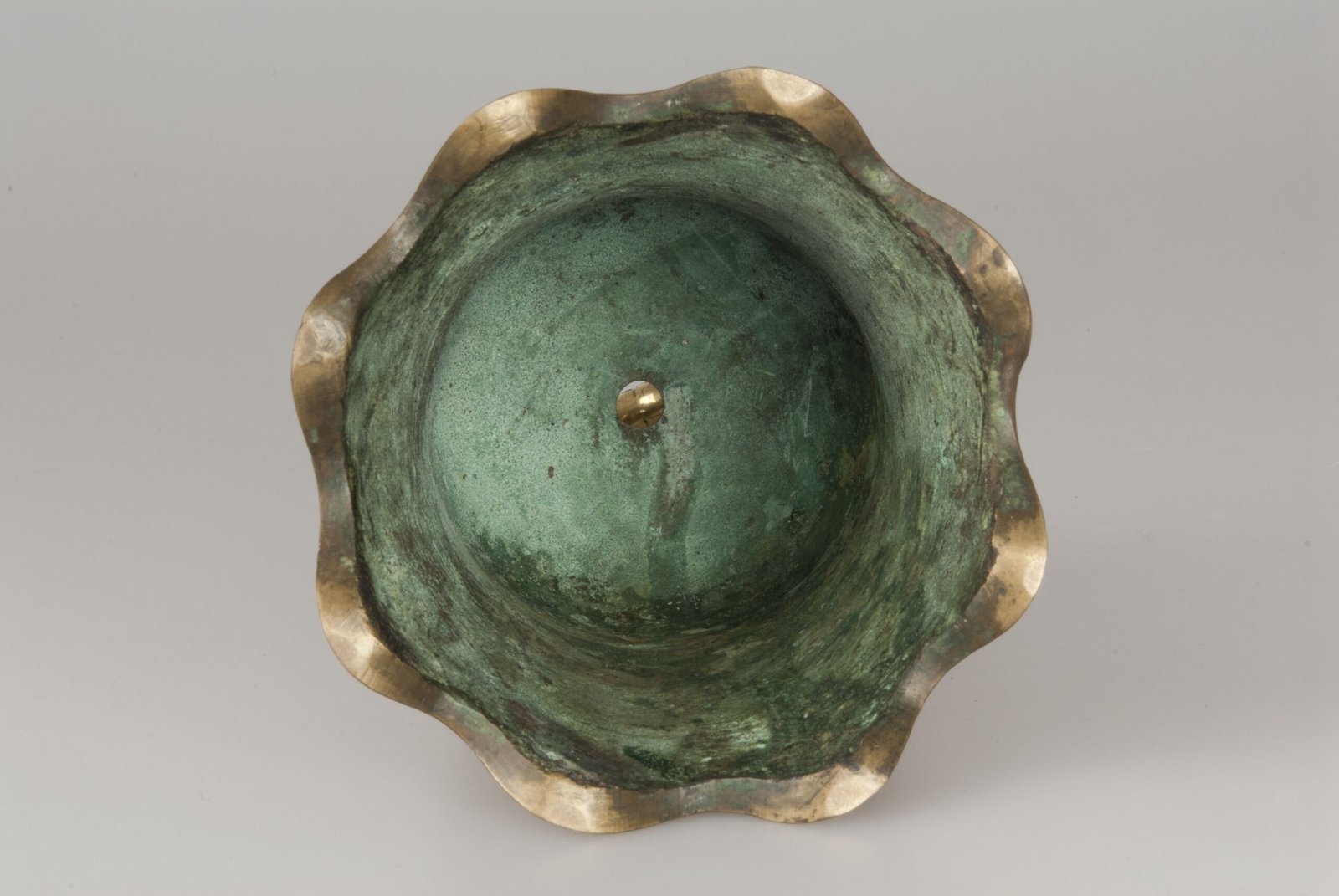
Comprehensive research on the composition of the alloy from which the bell was made has been carried out in several museums (including the British Museum) and research centers. Metallurgical and technological analyses as well as isotopic studies have confirmed the authenticity of the bell and the time and place of its creation.
As Emperor Xuande was a talented artist, it cannot be ruled out that he himself was the author of the design or personally supervised the creation of this extraordinary work of art, which still proclaims his fame today.
In 1987, the first scientific studies of the bell were carried out at the Archaeological Museum in Krakow (Prof. Elżbieta Nosek) and at the British Museum (Prof. Jessica Rawson). In 2023 and 2024, several research centers conducted detailed analyses of the bell’s alloy composition, simulations of the casting technology, sound frequency analyses, and archaeometallurgical analyses. Precise lead isotope analyses carried out at the National Center for Nuclear Research allowed for the accurate identification of the origin of the lead used to make the bell alloy. These are deposits where mines operated in the province of Guizhou during the Ming dynasty.
Contact
For inquiries about the Xuande bell, research collaborations, or exhibition opportunities.